A world in crisis
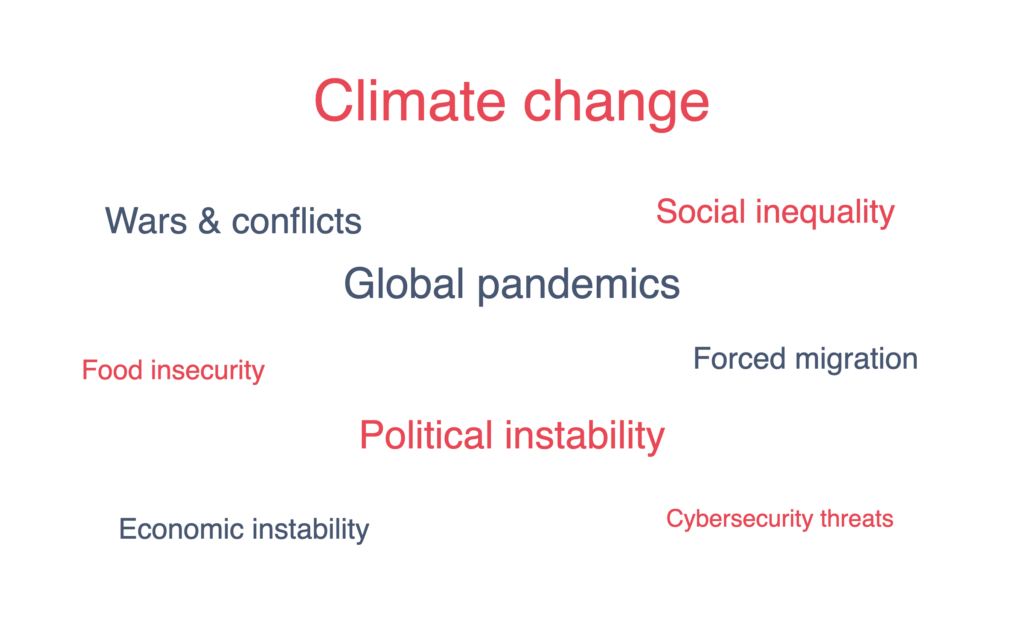
Climate change, pandemics, political instability, social inequality, food insecurity, armed conflict — the list of global crises facing humanity has never been longer, or more pressing.
These challenges do not respect national borders, and their consequences are felt unevenly across societies, disproportionately affecting those least equipped to respond. Addressing them requires not only political will and institutional capacity, but something more fundamental: public engagement at every level, from individual behavior change to collective action and policy support.
Why do some people act — and others don’t?
Yet despite widespread awareness of these threats, motivation to engage remains inconsistent. Why do some people take action while others remain on the sidelines, even when they recognise the urgency?
This is the central question driving our research. Drawing on Motivational Readiness Theory, we focus on two psychological factors that shape whether people engage: how much they feel a crisis personally matters to them (Want), and how confident they are that their actions can make a real difference (Expectancy). Together, these factors may determine whether concern translates into action or dissipates into inaction.

A global study across 60+ countries
To explore these dynamics at a global scale, we are conducting a large survey spanning more than 60 countries with a target of 30,000 participants. The study maps how people across diverse cultural, political, and socioeconomic contexts perceive crises such as climate change, food insecurity, forced migration, and armed conflict, and what drives or blocks their motivation to act.
By bringing together researchers from dozens of institutions worldwide in collaboration with the Psychological Science Accelerator, we will collect data that is genuinely representative across cultures, languages, and geopolitical contexts. This kind of cross-national reach is essential: psychological processes do not unfold in a vacuum, and what motivates action in one cultural or institutional context may do little to mobilize engagement in another. Only by studying these patterns at scale can we identify what is universal and what is culturally specific and design interventions accordingly.
Why it matters?
Across the world, governments and organizations invest heavily in crisis communication and public awareness campaigns, often with limited impact. Our findings aim to explain why by identifying the specific psychological and cultural barriers that prevent engagement and pointing toward strategies to overcome them. By making our data openly accessible, we also hope to support researchers, policymakers, and civil society organizations working to build more informed and responsive communities.